Human Biomonitoring for Ireland (HBM4IRE)
A feasibility study evaluating the criteria for establishing a national human biomonitoring programme in Ireland and investigating chemical exposures among the population.
Human biomonitoring (HBM) is described as the ‘gold standard’ for chemical risk assessment as it can measure the systemic availability of human exposures to chemicals from all exposure sources and routes by analysing biological samples (e.g., urine/blood). HBM provides robust data on chemicals to assess total exposures from various sources, evaluate changes over time, regional/population differences, identify potential ‘hotspots’ of chemical exposures and identify highly exposed or vulnerable groups.
The Human Biomonitoring for Ireland (HBM4IRE) project evaluated the feasibility of establishing a national human biomonitoring (HBM) programme in Ireland to assess chemical exposures and address chemical pollution.
Key Messages
- Now is the opportune time to establish an Irish national human biomonitoring (HBM) programme, aligning with significant progress in Europe.
- Ireland’s collaborations with the Partnership for the Assessment of Risks from Chemicals (PARC) initiative (28+ countries, 200+ institutions, 1,000+ experts) and the World Health Organization (WHO) European Environment and Health Process (EHP) Human Biomonitoring Working Group strengthen its capacity for successful implementation.
- A well-structured multi-stakeholder governance framework has been proposed to connect local, national, and EU levels, ensuring HBM data effectively informs policy.
- The first steps of developing a national programme, including chemical prioritisation and biomarker selection, have been conducted based on the EU initiatives, such as HBM4EU and PARC, as well as global HBM programmes.
- A national HBM programme must prioritise capacity building, education, training, knowledge-sharing, and research to drive discovery, innovation, and long-term sustainability.
- A framework representing the building blocks for establishing an HBM programme has been created, inspired by state-of-the-art practices worldwide.
Background
The widespread use of chemicals has driven technological and economic growth but has also raised significant environmental and health concerns. Exposure to legacy and emerging chemicals, including PFAS, heavy metals, and pesticides, is linked to neurodevelopmental disorders, respiratory issues, and cardiovascular diseases. The World Health Organization (WHO) projects that global chemical production will quadruple by 2050 from 2010, increasing exposure risks. At the European level, chemical exposure is estimated to contribute to approximately 0.4 deaths per 1,000 individuals annually, corresponding to around 2,000 deaths per year in Ireland, comparable in scale to premature mortality linked to air pollution. To address these challenges, the EU’s Chemicals Strategy for Sustainability and the European Green Deal promote a “Zero Pollution” vision. Human biomonitoring (HBM) can play a key role in these efforts by measuring internal chemical exposure, identifying at-risk populations, and assessing policy effectiveness. Large-scale EU-wide initiatives like HBM4EU and PARC have harmonised HBM across Europe, guiding policy decisions on priority chemicals.
HBM is described as the ‘gold standard’ for chemical risk assessment as it can measure the systemic availability of human exposures to chemicals from all exposure sources and routes by analysing biological samples (e.g., urine/blood/serum). HBM provides robust data on chemicalsto assess total exposures from various sources, evaluate changes over time, and identify regional/population differences, potential ‘hotspots’ of chemical exposures and highly exposed or vulnerable groups.
Over the past decade, significant advancements in HBM have been made through EU-wide initiatives to harmonise protocols, analysis, interpretation, and communication of HBM studies. Ireland has already demonstrated its capacity to participate in such initiatives through its involvement in the DEMOCOPHES project (https://cordis.europa.eu/project/id/244237/reporting).
HBM in Ireland
Despite advancements in Europe, Ireland does not yet have a national HBM programme. Previous studies have provided valuable but fragmented insights into chemical exposure, such as mercury detection in maternal hair, flame retardants in breast milk, and glyphosate levels in urine samples. While these studies highlight Ireland’s capacity for HBM research, they highlight the need for a coordinated, long-term national programme in Ireland.
To address this gap, the HBM4IRE project, funded by Ireland’s Environmental Protection Agency (EPA), has conducted a feasibility study to establish a framework for a national HBM programme. A key component was prioritising chemicals of concern by aligning with HBM4EU and PARC, as well as global HBM programmes. The process also accounted for Ireland’s distinct industrial and environmental landscape which includes an active pharmaceutical and chemical manufacturing base, extensive agricultural activity, and regionally specific environmental conditions that drives unique exposure profiles. To capture these national characteristics effectively, the study integrated scientific evidence with public perceptions through stakeholder consultations and a social survey, ensuring a transparent and stakeholder-driven approach. The HBM4IRE’s systematic chemical prioritisation framework thus aims to lay the foundation for a robust national HBM programme that can serve as a model for other countries.
Recommendations include developing a national HBM Steering Committee with cross-sectoral collaboration for co-creation to strengthen inter-institutional partnerships and resource sharing. Furthermore, utilising international expertise, resources, and assistance will assist with the first steps of establishing the national HBM programme and ensure the quality of national studies and their comparability with studies across Europe. Developing national capacity will also include education and training of national expertise for conducting HBM studies. Finally, the requirements for discovery and innovation for HBM must be integrated through research and development.
Stakeholder Forum and World Café
A stakeholder forum was organised to facilitate a two-way knowledge transfer among the research team, the international HBM experts and the national stakeholders. The forum featured presentations on EU-wide human biomonitoring initiatives, the role of HBM data in policy decisions, logistical and laboratory requirements, and ethical considerations. A panel discussion and World Café session enabled in-depth dialogue on national implementation, where government bodies and relevant stakeholders in Ireland expressed significant interest and willingness to participate in the study. Participants from government departments, ministries, and HBM experts collaborated to explore five critical thematic areas: policy questions addressable through HBM, chemical priorities uniquely relevant to Ireland, public engagement and communication strategies, pathways to economic sustainability for Ireland’s HBM programme, and synergies across government sectors to drive impactful outcomes (expert presentations are available at: https://www.ucd.ie/phpss/research/hbm4ire/).

Figure 1: The World Café in action with input among invited stakeholders
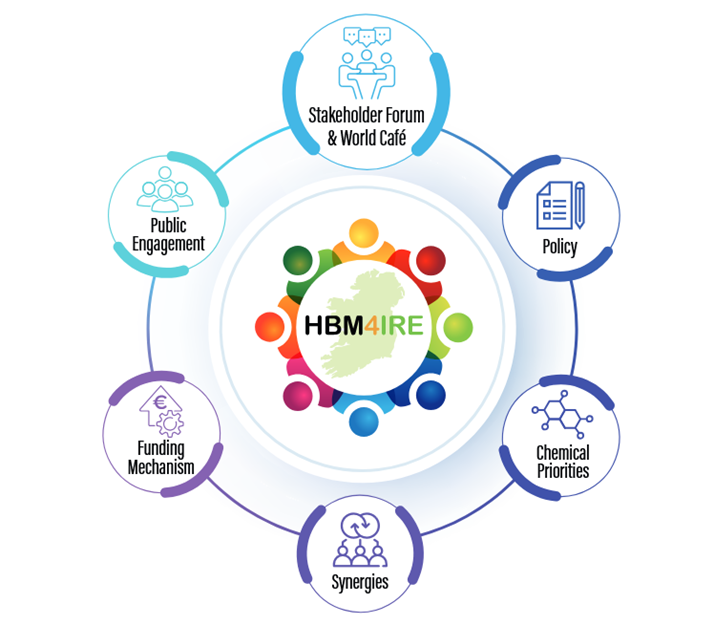
Figure 2: Five themes from a World Café discussion involving cross-sector stakeholders (government, ministries, HBM experts), addressing HBM policy alignment, Ireland-specific chemical priorities, public engagement, economic sustainability, and interdepartmental collaboration
Chemical Prioritisation and National Survey
The chemical prioritisation methodology for Ireland’s national HBM programme followed a multi-step approach, integrating international best practices with public perception. Chemicals of European-wide concern were mapped using priority lists from HBM4EU and PARC, alongside an extensive review of HBM programmes from EU and non-EU countries. A scoring system ranked chemicals based on their frequency of appearance in these programmes. A national survey further assessed public perception of chemical harmfulness, applying weighted scores for expert and non-expert responses. The final prioritisation combined these scores to identify the top chemical groups and biomarkers, ensuring alignment with regulatory priorities and public concerns. The national survey was adapted from the HBM4EU national survey with a few modifications in the chemical list based on the global HBM programmes. Notably, this prioritisation process did not include independent hazard assessments but instead leveraged pre-existing prioritisation efforts embedded within EU initiatives. The prioritisation process is based on the chemicals already prioritised through rigorous, peer-reviewed processes (i.e. HBM4EU), including hazard characterisation, exposure analysis, and policy relevance assessments. The HBM4IRE chemical priority methodology ensures alignment with evidence-based regulatory frameworks while avoiding redundancy.
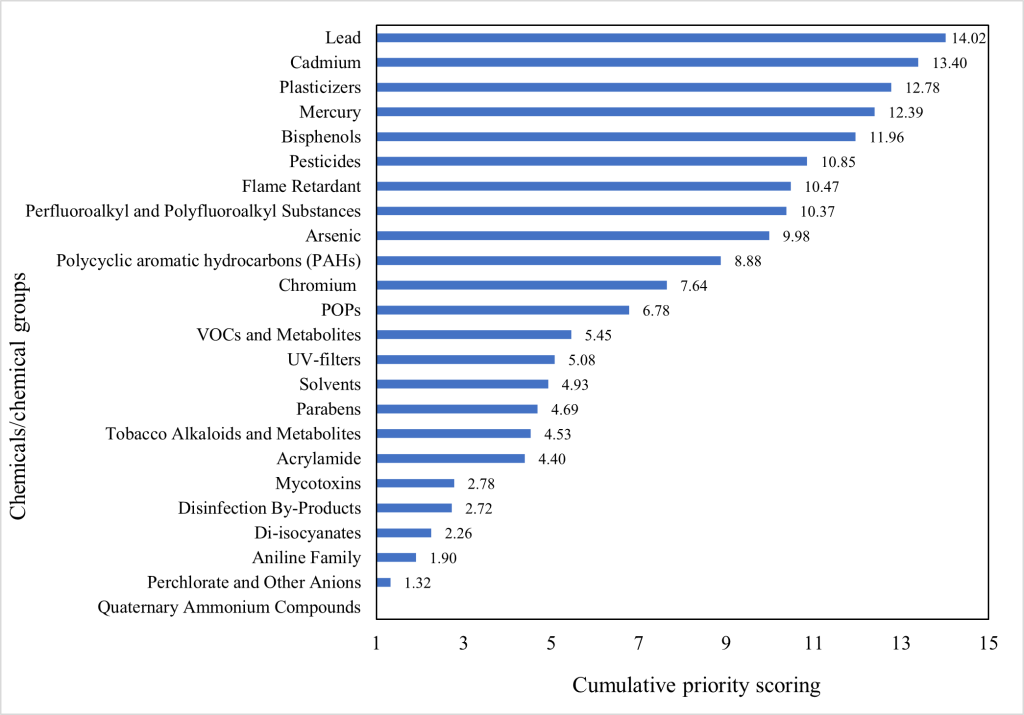
Figure 3: Prioritisation of chemicals based on the cumulative score in the HBM4IRE study. Source: Singh, R., Koch, H. M., Kolossa-Gehring, M., & Connolly, A. (2025). Chemical Prioritisation for Human Biomonitoring in Ireland: A Synergy of Global Frameworks and Local Perspectives. Toxics, 13(4), 281.
The complete list of prioritised biomarkers available at the EPA Report (Ref: https://www.epa.ie/publications/research/environment–health/research-491-human-biomonitoring-for-ireland–the-hbm4ire-study.php).
Implementation Strategy
The proposed implementation strategies are derived from reviews of existing national HBM programmes worldwide and input from international and national experts. It is important to note that the models suggested in the study are inspired by the existing governance models in other European countries with well-established and sustainable HBM programmes. These models are intended to serve as adaptable starting points for Ireland, contextualised to its unique exposure profiles and institutional dynamics.
Under the first proposed model, an interdisciplinary steering committee could be established to centralise expertise and resources, ensuring representatives and input from all relevant ministries, national regulatory agencies and departments who would be tasked with harmonising HBM priorities with Ireland’s broader chemical safety goals. To ensure the quality assurance of the programme, it would also be beneficial to have input from a scientific advisory group. This model ensures tailored strategies that address Ireland’s distinct industrial and environmental landscape while pooling technical and financial resources for long-term sustainability.
Alternatively, a single division or department, and in the example given here, we use the Department of Health, would assume primary responsibility for coordinating the HBM programme. This lead entity would oversee cross-departmental collaboration, delegating tasks to relevant bodies such as environmental agencies, health authorities, or agricultural departments. By integrating HBM objectives into existing regulatory workflows, this approach leverages established institutional frameworks to minimise redundancy and align priorities with ongoing national policies. Both frameworks emphasise flexibility, acknowledging that final implementation would require iterative consultation with stakeholders to refine governance structures, secure institutional buy-in, and adapt to evolving national priorities.

Figure 4: The development of a national HBM governing structure for Ireland, which includes developing a national interdepartmental/interagency group with overall responsibility. This is a non-exhaustive list of relevant agencies/departments, and the government has the liberty to decide which would be best-suited.

Figure 4: The development of a national HBM governing structure for Ireland in which the Department of Health, is used as an example only, would have overall responsibility. This is a non-exhaustive list of relevant agencies/departments, and the government has the liberty to decide which would be best-suited.
*Abbreviations: FSAI: Food Safety Authority of Ireland, EPA: Environmental Protection Agency, HSA: Health and Safety Authority of Ireland, HSE: Health Service Executive, DOH: Department of Health, DECC: Department of the Environment, Climate and Communications, DAFM: Department of Agriculture, Food and the Marine, DHLGH: Department of Housing, Local Government and Heritage, DETE: Department of Enterprise, Trade and Employment, RPO: Research-Performing Organisations. This is a non-exhaustive list of relevant agencies/departments.
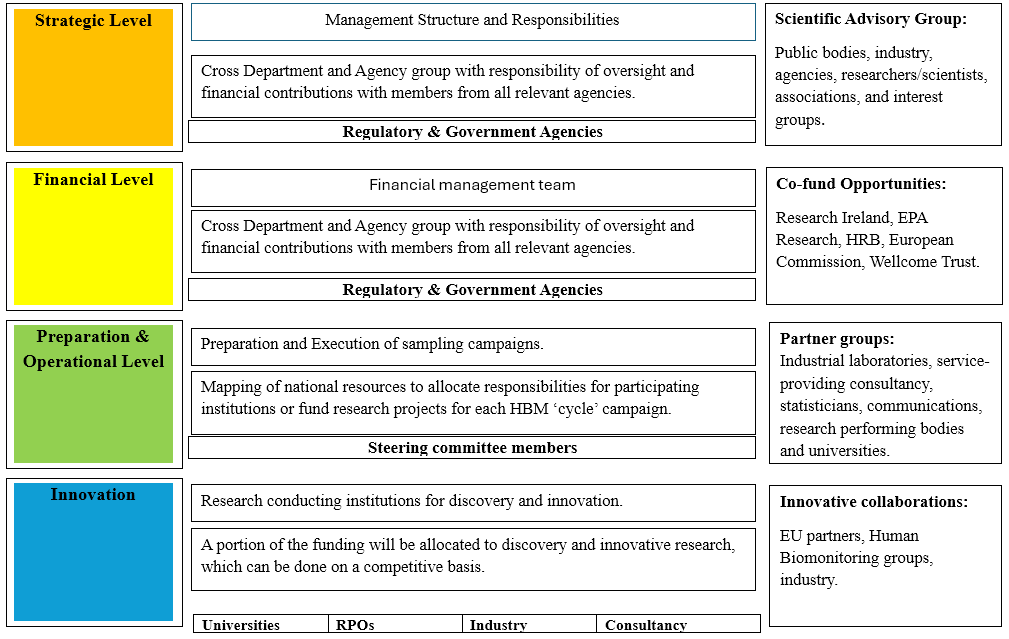
Table 1: The criteria required to ensure the success of a national HBM programme, including criteria, requirements and dedicated groups.
Public dissemination will also be necessary to establish an ethos for the national programme, highlight its benefits for the broader audience, and safeguard public health.
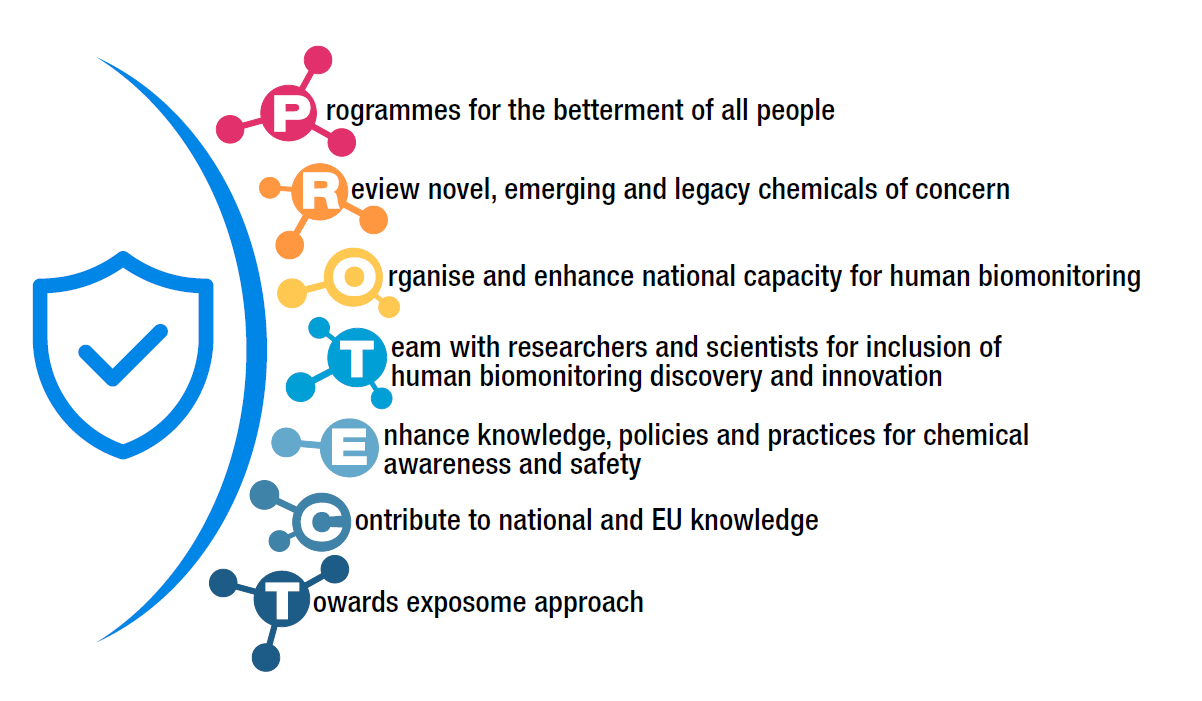
Figure 5: PROTECT; the ethos for the national HBM programme for Ireland to protect and safeguard the population.
Recommended Policy Actions
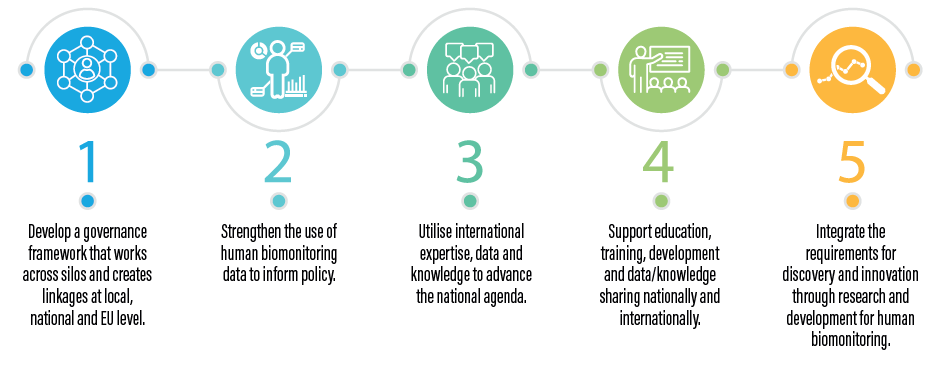
Figure 6: Recommended policy actions for establishing a national HBM Programme in Ireland
Recommendation 1: Develop a governance framework that works across silos and creates linkages at local, national and EU level
- Create a high-level national HBM Steering Committee with a memorandum of understanding for all the committed parties. The long-term ambition is to establish a Centre for Excellence for HBM Research in Ireland.
- Strengthen inter-institutional/ departmental collaborations via the steering committee / taskforce.
- Choose the agenda/objectives and progress milestones and align them to address national and EU policy questions related to chemical pollution.
- Identify synergies across departments/agencies and map and support the sharing of infrastructure, expertise and good practices.
- HBM Steering Committee is supported by a national scientific committee to ensure quality assurance.
- Ensure the objectives/ambitions are adequately resourced and funded to ensure success and sustainability.
Recommendation 2: Strengthen the use of HBM data to inform policy
- Develop short-, medium- and long-term goals that match the national legislation priorities and the EU priorities.
- Utilise the chemical prioritisation strategy outlined in the study, including the steps and the initial list, to evaluate the priority chemicals of concern to be included in the national HBM study
- Ensure review of the priority chemicals at regular intervals due to continuous changes in chemical use/production and legislation.
- During each ‘HBM cycle’, review the goals and emerging priorities for inclusion of each cycle and for long-term time trend analysis.
Recommendation 3: Utilise international expertise, data and knowledge to advance the national agenda
- Collaborate with international groups via the HBM4EU, PARC and the World Health Organization (WHO) European Environment and Health Process (EHP) Partnerships on the HBM Working Group.
- Utilised harmonised HBM protocols developed across Europe via the HBM4EU and PARC initiative, ensuring high-quality studies and comparability across EU member states.
- Cross-department/agency support for the sharing of infrastructure, expertise, and good practices.
- Utilising international expertise and services to complement our national capacities.
- Ensure the laboratories involved with the HBM sample analysis will have to go through an external review.
Recommendation 4: Support education, training, development and data/knowledge sharing nationally and internationally
- Integrate HBM principles at all levels of academic and professional training, where relevant, including the incorporation of these principles into multidisciplinary subjects (e.g. One Health, Exposome, Public Health, Environmental Assessment).
- Promote public awareness of HBM and the positive outcomes from previous campaigns/initiatives, including public dissemination material.
Recommendation 5: Integrate the requirements for discovery and innovation through research and development for HBM
- Incorporate resources for innovation and discovery for HBM, which includes growing capacity within the country, developing novel analytical methods, analysing samples for novel and emerging chemicals, and evaluating exposure scenarios (e.g., occupational, environmental, and residential).
- Coordinate with scientists and regulators to establish/identify emerging issues and novel areas of interest (e.g., investigating novel chemicals of concern and unexplored occupational exposures) and expand our knowledge on aggregated and cumulative exposures.
Conclusion
It is the opportune time for the establishment of an Irish national human biomonitoring programme, as extraordinary progress has been made in Europe for HBM studies, and Ireland can leverage this substantial progress and resources for the Irish programme. The work will be continued through the Human Biomonitoring for Ireland (HBM4IE) study, which has been funded by EPA Ireland and co-funded by PARC. Ireland has already demonstrated that there is national capability and expertise to conduct HBM studies and their readiness for such an ambition through their collaboration with the Partnership for the Assessment of Risks from Chemicals (PARC) initiative, which will provide access to expertise from over 29 countries, more than 200 institutions, and over 1,000 contributors and the World Health Organization (WHO) European Environment and Health Process (EHP) Partnerships on the HBM Working Group, both of which bolstering Ireland’s ability to implement an effective HBM programme.
Further Information
To obtain further information on this study, please visit the website at: https://www.ucd.ie/phpss/research/hbm4ire/
To follow the study progression, please the ongoing study website: https://www.ucd.ie/phpss/research/hbm4ie/
Dr Alison Connolly was the principal investigator on the project, and further information can be found at https://people.ucd.ie/alison.connolly.
Further information is available on the EPA Report: https://www.epa.ie/publications/research/environment–health/research-491-human-biomonitoring-for-ireland–the-hbm4ire-study.php
Acknowledgements
This research funding is provided by the Environmental Protection Agency of Ireland, Project Reference 2022-HE-1122.
This research was conducted by the Exposure Science research team in the UCD School of Public Health, Physiotherapy and Sports Science, within the UCD Centre for Safety and Health at Work.