

Abstract
Ireland’s greatest success story is that many more people are living into older age. By 2057, one in every three people living in Ireland will be aged 60 or older. Ireland is not yet ready for this transition, not least upholding the rights and providing public services to nearly 700,000 people who will be aged 80 or older. Based on a presentation at the launch of the UCD Ageing Network, this paper sets out the demographic projections and gives an overview of the challenges that are likely to arise, as well as some potential ways to overcome these.
Introduction
Ireland’s greatest success story is that many more people are living into older age. By 2057, one in every three people living in Ireland will be aged 60 or older, including one in nine who will be aged 80 or older. Ireland – by which I mean the government, economy and wider society – is not yet ready for this transition. Not least, Ireland is not ready to uphold the rights and meet the needs of nearly 700,000 people who will be aged 80 or older, many of whom will rely on healthcare, social care and other publicly funded services. Based on a presentation at the launch of the UCD Ageing Network,[i] this paper sets out the demographic projections and gives an overview of the challenges that are likely to arise, as well as some potential ways to overcome these.
Demographic Projections
The WHO cautions that regarding everyone over the age of 65 as an ‘older person’ is a form of institutionalised ageism in data gathering practices and statistical information:
“Ageism also manifests itself in the way statistics and data are collected and compiled. Examples include data simply not being collected about older people or when such data are collected, they are not disaggregated. For instance, many public health data sets … lump all data into a single age group of >60 years or >65 years, thus hiding the vast diversity among older people.” (WHO 2021)[ii]
Ireland’s statistical information about older people is often inadequate. A common weakness is failing to disaggregate information into sub-categories of older age. It is misleading to place all older adults into the single age category of “65+” when some older persons are thirty or more years apart from one another in age. However, data is often unavailable on older persons except where they are defined as a single category. Where possible, data should be presented by decade. People in each decade of age will have more similarities in terms of their position in the life course, and this more fine-grained approach does not distinguish artificially between so-called ‘working age’ and older age groups. Likewise, it does not assume ‘retirement’ or inactivity past any arbitrary age.
Every five years the Central Statistics Office (CSO) conducts an exercise to project Ireland’s future population. Figure 1 combines data on Ireland’s historical population levels with projections from 2027 onwards.
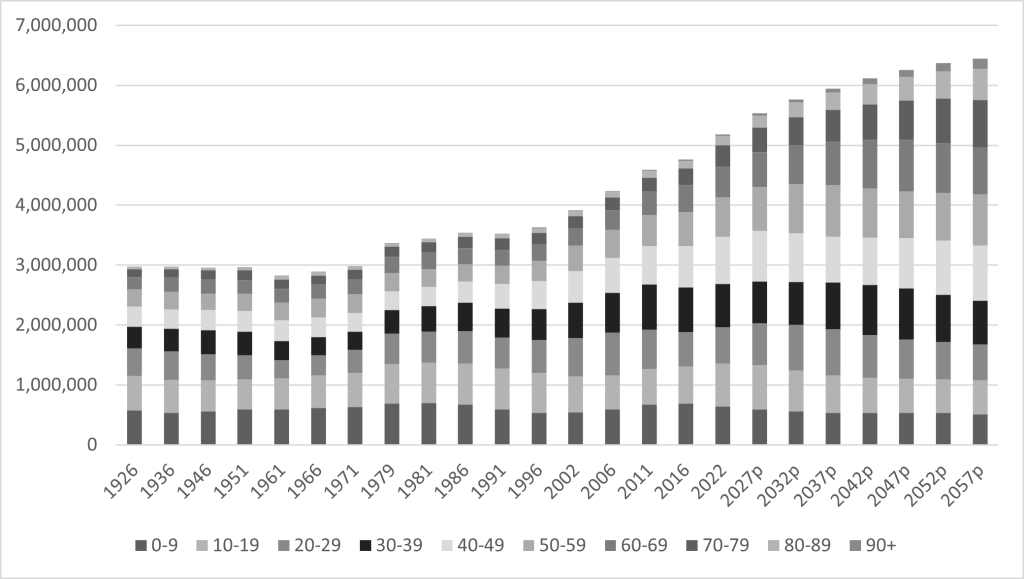
Figure 1. Population by Decade of Age 1926-2057 (CSO, CNA20 and PEC19 M2 projection from 2027)
Despite large family sizes, the population of Ireland was relatively stable from 1926 to 1996. This was mainly due to emigration but was also influenced by lower life expectancy. The 1926 population of just under 3 million was only exceeded for the first time in 1971, after which time the population grew to 3.6 million in 1996.
If 1926 to 1996 was a period of population stability, we are now in a period of rapid change. During the ‘Celtic Tiger’ period of strong economic development, Ireland’s population grew significantly, as people were not forced to emigrate to find work and foreign nationals, mostly from the EU, came to live in Ireland in significant numbers. From 1996 to 2022, Ireland’s population grew by 43%, with 5.2 million residents recorded in Census 2022. Most of this growth came from births and reduced emigration.
Based on recent trends in life expectancy, birth rate and migration, the CSO projects that the population will continue to increase, reaching 6.4 million by 2057, which is a further 24% growth. Net immigration is a significant factor driving this growth. Within the growing population, the number and proportion of older adults has increased more rapidly than any other age cohort, and it will continue to increase significantly. In the period 1996 to 2022, the number of those aged 60 or older doubled, from 524,333 to 1,057,133. Over the period 2022 to 2057, the number is projected to more than double again, to reach 2,268,533 people aged 60 or older by 2057. While older adults (60+) were 14% of the population in 1996 and 20% in 2022, they will make up 35% of the population by 2057.
Table 1. Actual and Projected Population of Older Persons (CSO)
| Year | Persons aged 60+ | Persons aged 80+ |
| 1996 | 524,333 (14%) | 68,342 (1.9%) |
| 2022 | 1,057,133 (20%) | 181,116 (3.5%) |
| 2057 | 2,268,533 (35%) | 688,639 (10.7%) |
The growth in the number of the ‘older old’ is more striking. As shown in Table 1, adults aged 80 or older made up 1.9% of the population in 1996. By 2022, they were 3.5% of the population. But by 2057, there will be nearly 700,000 people aged 80 or older, who will represent nearly one in every nine people (10.7%) in the population.
The speed at which the demographic transition is happening in Ireland is faster than what occurred in most west European countries, and it could accelerate further if migration to Ireland slows or reverses.
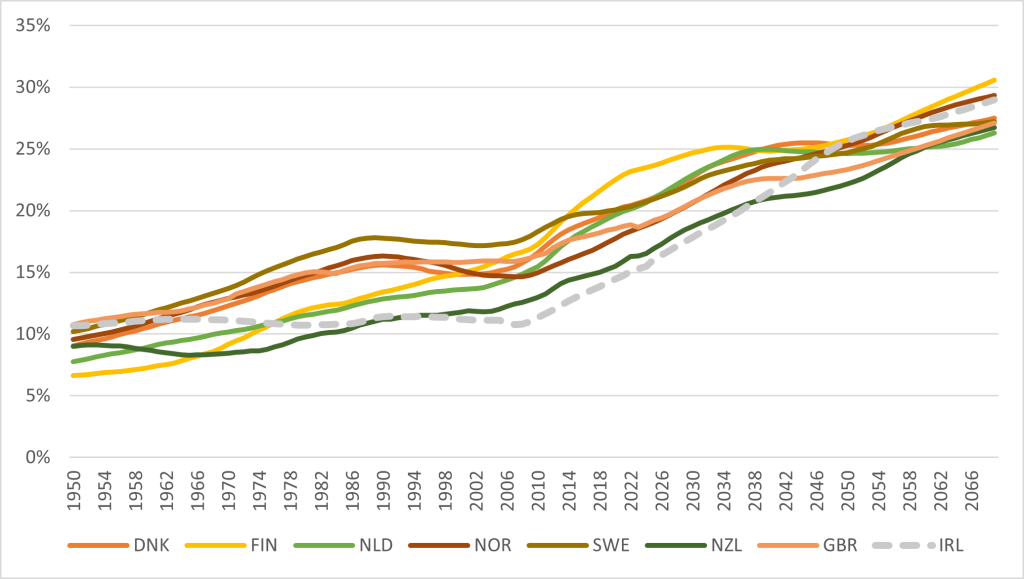
Figure 2. Percentage Persons Aged 65+ (OECD, projections from 2025)
Figures 2 and 3 illustrate the extent of population ageing in Ireland compared to selected comparator countries (Denmark, Finland, Netherlands, Norway, Sweden, New Zealand and the UK). All these countries are experiencing population ageing, which is accelerating, especially for the 85+ age group who are becoming a much larger proportion of the population.
Ireland’s transition is notably different. Figure 2 shows how Ireland went from having the highest proportion of older people in the 1950s to the lowest by the mid-2000s, which was due to the emigration of younger people. Ireland’s proportion of older persons remained stable during this period, unlike all the other countries where the proportion of older people grew significantly. Yet, in the next 30 years, Ireland is projected to transition from having the lowest proportion of older people to one of the highest, which is a faster change than any of these other countries have experienced.
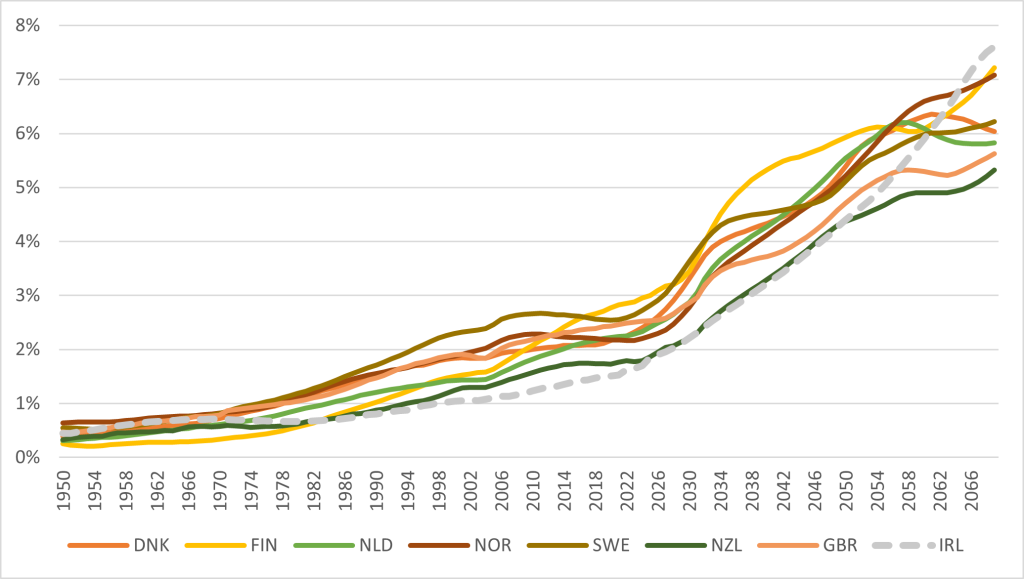
Figure 3. Percentage Persons Aged 85+ (OECD, projections from 2025)
Figure 3 shows how Ireland went from an average level of people aged 85 or older in the 1950s to having the lowest proportion of this age cohort by the early 2000s. Once again the projected rate of change is noteworthy. Ireland is projected to have the highest proportion of people aged 85+ by the 2060s among this comparator group, despite projected high net immigration of younger people. This will be a radical transformation of the Irish population.
Life Expectancy
Life expectancy in Ireland has improved significantly over the last century. Figure 4 shows that life expectancy from birth has risen from 50.9 years for women and 49.6 years for men in 1871 to 83.4 years for women and 79.6 years for men in 2016.
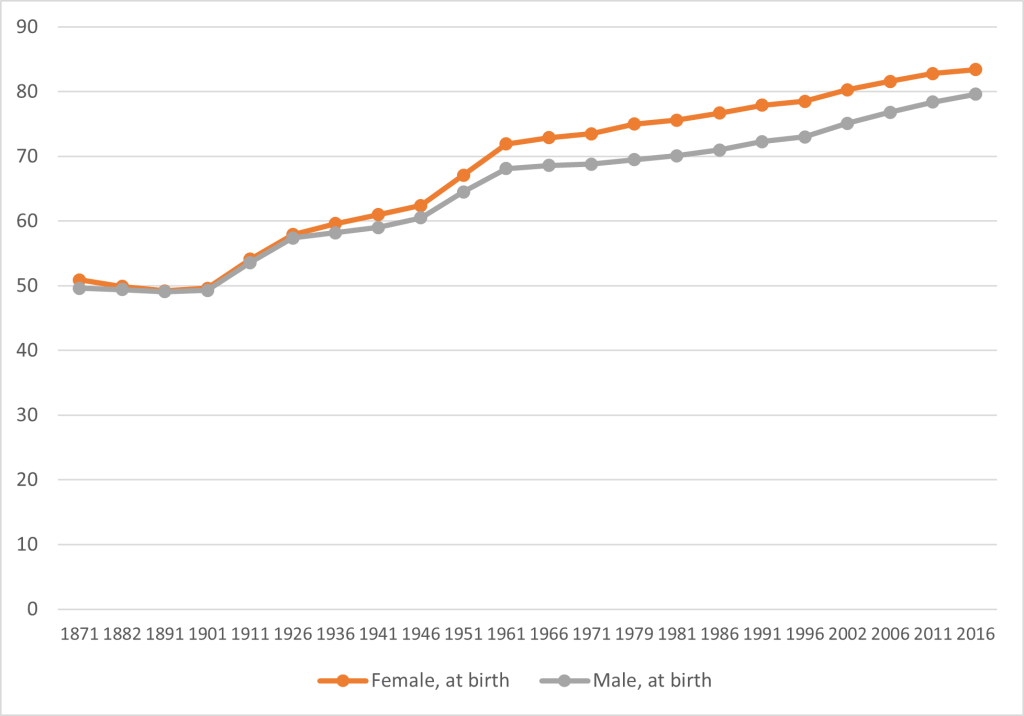
Figure 4. Life Expectancy at Birth, 1871 to 2016 (CSO)
Explanations for this change include vaccination and the fight against childhood diseases and child mortality—rates of which were very high in Ireland in the past—as well as reduced mortality from illness and injury among young and middle-aged people. Health and safety at work, hygiene, food safety, and road traffic safety, alongside better diet, awareness of risk factors and better healthcare have all led to a reduction in deaths, not least from cancer and heart disease. During the 20th century, male life expectancy fell behind for various reasons, including the prevalence of smoking.
Figure 5 shows life average expectancy for someone aged 65. It should be recalled that fewer people attained the age of 65 in the late 1800s and early 1900s due to higher levels of child and working age mortality. In 1871, life expectancy at age 65 was 76.2 for a woman and 76.1 for a man. By 2016, average life expectancy at age 65 was 86 for a woman and 83.3 for a man. This represents the benefits of prosperity, reduced smoking and other risks, and better healthcare. In recent years, male life expectancy has begun to close the gap with female life expectancy.
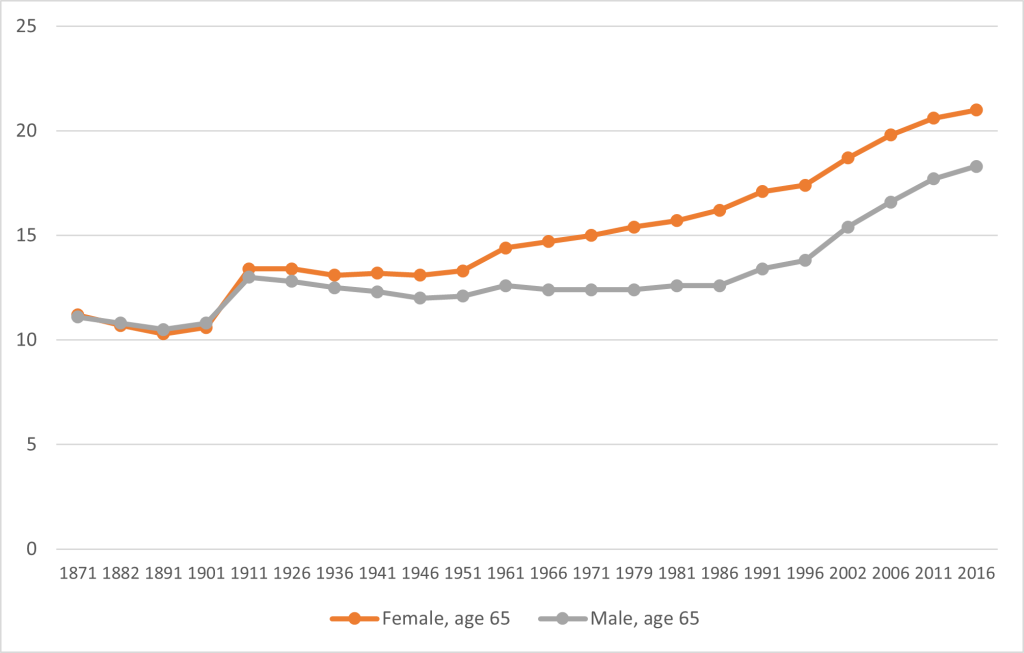
Figure 5. Expectancy at age 65, 1871 to 2016 (CSO)
Challenges
The success story of Ireland’s ageing population is due to a combination of factors: better diet and food safety, vaccination, reduced poverty, greater access to healthcare, health and safety measures (including road safety) reducing accidental deaths and injuries, reduced smoking, and medical advances in the treatment of major diseases such as heart disease and cancer.
Success brings its own challenges. As more people live into advanced older age, many of them will rely on publicly funded services to uphold their rights and dignity, and to meet their essential needs. Not least, the cost of funding pensions, healthcare and care at home will all increase significantly in the coming decades, putting ever greater focus on efficiency and value for money in public spending.
As illustrated in Figure 6, the following are illustrative examples of the challenges that Ireland faces.
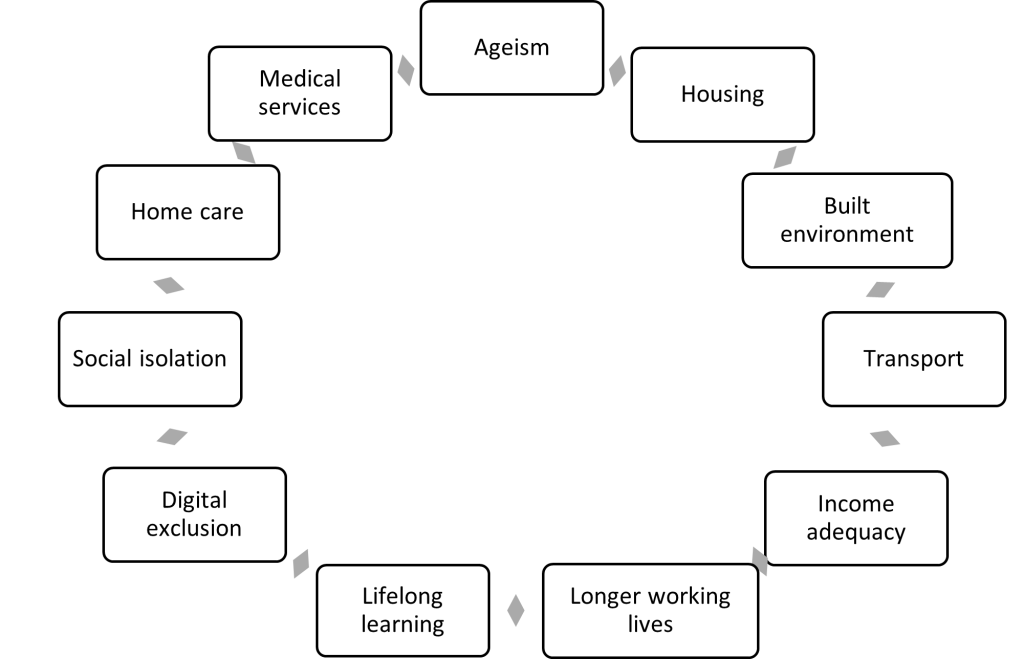
Figure 6. Example Challenges Associated with Ireland’s Ageing Population
Ageism
The UN Secretary General identifies ageism as something that harms individuals and damages economies and societies, and the WHO describes how ageism manifests as negative feelings, thoughts and actions towards older persons, as well as through unfair laws and institutions (WHO 2021).[iii] How a society treats older people and people with disabilities is a test of its commitment to human rights and equality.
The framing of the issue of population ageing by policymakers is important. When population ageing is framed as a ‘burden’ on taxpayers, that is an ageist discourse. Firstly, older persons do not have to justify their entitlement to the fulfilment of human rights and equal access to public services. Secondly, ageism wrongly portrays older persons as dependents, whereas in reality many older people continue to work, and many others have a large degree of economic independence through home ownership, savings and private pensions. Older people also contribute as carers, childminders and volunteers in their communities. Moreover, older persons have contributed throughout their lives and are entitled to seek society’s support in older age.
A rights-based approach is also needed to overcome paternalist attitudes that portray older persons as passive recipients of care and services, rather than as active participants in meeting their own needs.
In an Irish context, another common assumption is that older persons have adult children who will support them. In fact, many older adults never had children, or their children live abroad or far away, or they do not wish to ask their children for assistance. Instead, many older adults want to receive public services that their lifetime’s taxes have paid for. Likewise, most older adults do not want other people making decisions for them.
Another manifestation of ageism is the conflation of chronological age and disability. While it is true that the incidence of disability increases with older age, it is not inevitable. Moreover, support for one or more disabilities does not mean that an older person lacks the capacity for autonomy in other areas of their lives. In line with the Assisted Decision Making (Capacity) Acts,[iv] officials should assume that older adults have the capacity to decide things for themselves unless proven otherwise.
Housing
Based on Census data, older people tend to live in older housing stock, which is typically less well insulated than modern housing, despite the fact that older people have a greater need for a warm home environment. Older housing can be harder to adapt if an older person acquires a mobility disability and requires handrails, ramps or a stair lift, or to move a bedroom or bathroom downstairs. While there are grants available for home adaptation and for home energy retrofitting, these do not work for everyone and there are often other hidden costs, such as the cost of alternative accommodation during major renovation works.
There is a lack of alternative housing stock that would permit older persons to trade down while retaining all of their social connections in the communities where they have built their lives. Similarly, despite some recent developments, there is a lack of bespoke retirement housing with facilities, not least due to the lack of legal protections to ensure facilities and services continue to be provided for residents (Retirement Villages Ireland).[v]
A growing number of people in their 50s and 60s are renting in the private rented sector. In 2022, 3.5% of those aged 65+ were private renters. Many do not have the money to become home owners, yet may not be eligible for social housing supports. There is a growing dilemma about housing security and affordability for this cohort, which is likely to grow significantly in just a few years given the larger number of renters in their 50s (NESC 2023).[vi]
Built environment
A quarter of Ireland’s houses are one-off houses in rural areas, which often lack footpaths or street lighting, and which can be at some distance from shops and services. This reinforces car dependence for many older persons in rural areas, whether that means they drive themselves or they rely on others to do so. Not every area has the infrastructure to support an older population, such as primary healthcare centres or community centres. The distance of many older persons from major urban centres also adds extra costs and time delays to deliver vital services such as ambulances, home care or public nursing.
Transport
Some older persons lose the ability to drive, and as the population ages 80+ increases, this will affect a growing number of people. Other older persons lose the stamina for longer distance driving and prefer to limit themselves to shorter journeys. Yet, many smaller villages have lost shops, including banks and post offices, which reduces the options available locally and forces older people to travel further to access basic services.
Public transport is non-existent for many people in rural areas, although there have been significant expansions made to services in some areas. Continued, significant investment is needed to ensure that older persons can remain connected. Some older persons can become dependent on someone for their transport needs, or may become effectively trapped in their own homes.
Income adequacy
Ireland’s state pension provides a basic income to most older persons, although some people only receive a partial rate payment or else a secondary payment as the spouse or partner of a contributory state pension recipient. For many people, Social Protection provides their only income in older age. The bottom 30% of the income distribution receive more than 90% of their income from Social Protection (Age Action 2023a).[vii]
Many older persons also lack cash savings. Half of single older adults had less than €8,100 and half of couples had less than €18,100 according to the 2020 Household Finance and Consumption survey (Age Action 2023a).[viii] There has also been over 23% inflation since December 2020, which has reduced the value of savings.
Only two-thirds of employees or former employees have some level of pension savings. The introduction of auto-enrolment may boost this for lower paid workers, but it remains to be seen how adequate the auto-enrolment pension will be.
For many people used to Ireland’s high level of prosperity of recent years, the reduction of their income to a basic level in older age comes as a major shock. When an older person has to pay private rents from their retirement income, they can be in immediate financial difficulty.
Longer working lives
Older workers (aged 55+) now represent 1 in every 5 workers. The number of older workers in the labour market has tripled in the last 25 years, while the proportion of all workers aged 55 or older has doubled. There were nearly five times as many older women at work in 2022 compared to 1998 (CSO 2025).[ix] These labour market changes need to be recognised by employers and government. Ireland’s proposed policy of mandatory retirement at age 66 set out in the Employment (Contractual Retirement Ages) Bill 2025,[x] flies in the face of human rights and equality. Mandatory retirement is illegal in Australia, Canada, New Zealand, the UK and the USA. Prohibition and minimum ages for mandatory retirement (e.g. 70 in France) exist in other European countries.
Ireland permits the deferral of the state pension to age 70, yet mandatory retirement in the private sector at 66 makes it difficult for many to avail of that option. Public sector workers may work to 70, which is an example of horizontal inequity between public and private sector workers.
Previous governments have focused on raising the state pension age, which was extremely unpopular with the public. What should be done is to focus on supporting older people to stay in work as long as they can, and supporting employers to retain the experience and skills of their older workers. Prohibiting mandatory retirement would be one important part of this.
Lifelong learning
As a complement to longer working lives, older people need more opportunities to upskill and train. Someone at 55 is no longer at the threshold of retirement and could work for another 15-20 years if not prevented from doing so. Not all occupations train people in digital skills, yet older people are increasingly expected to transact with the state and businesses online. More digital training (including refresher training) is needed to support Ireland’s transition to a more digital economy.
Digital exclusion
Three in ten older persons do not use the internet and another three in ten have a low level of digital skills (Age Action 2023b).[xi] While this will change over time, there are many older persons who do not have the requisite skills or trust in digital technology, and who require in-person services from both businesses and public services.
Inability to use digital technology is an issue that won’t disappear entirely, as more than one in five Irish people aged 25-64 is reported to have ‘below basic’ digital skills (Eurostat 2023),[xii] and some people with disabilities are unable to use certain technologies. For example, dementia, stroke or sight loss may prevent some older persons from using digital technologies. What is needed is a guarantee of offline customer service (telephone, post and counter services) for those who need non-digital options.
Social isolation
A combination of factors – including smaller family sizes, emigration, declining church attendance, lack of transport and isolated housing – contributes to the social isolation of some older persons. Various reports highlight loneliness as a symptom of these factors. Social infrastructure is needed across the country to ensure that there are enough accessible and affordable public spaces where people can socialise and feel connected to their communities.
Home care
Most older persons want to age in place in their homes, which is also less expensive than traditional long-term residential care. However, there is not yet a statutory home care scheme, and the availability of home care is limited in some areas, especially rural areas. There is a recruitment and retention crisis in home care services. Pay and conditions need to be significantly improved to make home care an attractive long-term profession, but this will require major ongoing investment by the state.
As part of a positive approach towards population ageing, there is a need to invest more in maintaining and growing older people’s capabilities. Rather than focusing on chronological age, the state should address old-age acquired disabilities as disabilities, and provide an adequate level of support to enable older people to overcome or live with those disabilities.
Medical services
People aged 80 and older are major users of Ireland’s medical services, including acute hospitals. With the number of over-80s set to triple by 2057, Ireland will need to ramp up hospital capacity, including beds and staff, and probably several new hospital buildings. Hospitals cannot be built in a hurry, and adequate numbers of medical staff cannot be recruited easily either, which means long-term planning in terms of procurement and investments in education.
Solutions
Ireland lacks a strategic approach to population ageing. A national strategy is required to articulate the likely ageing scenarios, and to prepare all branches of the state and society to deal with the new reality of a population where one in three people will be aged 60 or older, a third of whom will be aged 80 or older.
A strategic approach does not mean another ‘positive ageing strategy’. The National Positive Ageing Strategy 2013 was valuable because it presented a more positive vision of ageing, and it defended the dignity of older people. But it was not fully funded nor implemented, and it lacked the strategic dimension that is argued for here. As a core component, a new strategy should require all public bodies and publicly funded bodies to develop an action plan to address changes to their activities that will be required because of the demographic transition.
Paying for Public Services
Long-term financial planning is needed to fund an adequate level of public services for a much larger population of older people. Detailed projections for the budgetary costs implied by our demographic transition are given in a European Commission report, The 2021 Ageing Report: Economic and Budgetary Projections for the EU Member States (2019-2070). Some headline statistics derived from this report are in Table 2.
Table 2. Projected Costs for Ireland’s Demographic Transition (European Commission 2021) [xiii]
| 2019 | 2030 | 2050 | 2070 | |
| Cost of public pensions (% GDP) | 4.6% | 5.9% | 7.5% | 7.6% |
| Cost of healthcare, AWG scenario (% GDP) | 4.1% | 4.4% | 5.1% | 5.5% |
| Cost of long-term care, AWG scenario (% GDP) | 1.3% | 1.6% | 2.4% | 3.2% |
| Total cost of public pensions, healthcare and long-term care, AWG scenarios (% GDP) | 10.0% | 11.9% | 15.0% | 16.3% |
As ever, the GDP figures assume that Irish GDP is comparable across this period and not subject to distortion due to multinational activity. If Irish GDP were to ‘normalise’ during this period (i.e. be less skewed by multinational activity), the percentage of GDP costs could be significantly higher.
The Future Ireland Fund is estimated to reach €65 billion by 2035 (NTMA 2025),[xiv] but interest from the fund will only cover a relatively small part of these future costs, which underlines the need for a mature debate on the level of taxation needed to sustain public services. Most other European countries have higher taxation than Ireland precisely because they must provide services and pensions to a higher proportion of older persons. The total cost of public pensions, healthcare and long-term care is projected to increase from 10% of GDP in 2019 to 15% by 2050 and 16.3% of GDP by 2070, which highlights the need for the government to take seriously the revenue-raising recommendations of the Commission on Pensions and the Commission on Taxation and Welfare, as well as options explored in the Tax Strategy Group papers. A lack of mature debate on fiscal sustainability risks Ireland being ill-prepared for the challenges ahead.
From a human rights perspective, the state must dedicate maximum available resources to the attainment of social and economic rights—and it must continue to increase these to achieve the progressive realisation of these rights.
Conclusion
By 2057, one in three people living in Ireland will be aged 60 or older, including nearly 700,000 aged 80+. The speed of this demographic transition will be faster than anything experienced by comparator countries. Ireland must acknowledge this reality and plan accordingly. A national strategy is required to prepare public bodies and wider society for this demographic transition. Human rights and equality should be front and centre in how we approach the issue of ageing, so that older persons can continue to live fulfilling lives in dignity.
[i] https://www.ucd.ie/geary/research/ageingnetwork/
[ii] WHO (2021) Global Report on Ageism. https://www.who.int/publications/i/item/9789240016866
[iii] WHO (2021) Global Report on Ageism. https://www.who.int/publications/i/item/9789240016866
[iv] https://decisionsupportservice.ie/
[v] See, for example, https://retirementvillagesireland.ie/
[vi] NESC (2023) Private Rental in Ireland. https://www.nesc.ie/app/uploads/2023/02/159_private_rental.pdf
[vii] Age Action (2023) Spotlight on income in Older Age. https://data.oireachtas.ie/ie/oireachtas/committee/dail/33/joint_committee_on_social_protection_community_and_rural_development_and_the_islands/submissions/2024/2024-07-12_submission-age-action_en.pdf
[viii] Ibid.
[ix] CSO (2025) ILO Participation, Employment and Unemployment Characteristics, Quarterly Labour Force Survey, https://data.cso.ie/table/QLF18
[x] Employment (Contractual Retirement Ages) Bill 2025 https://www.oireachtas.ie/en/bills/bill/2025/10/
[xi] Age Action (2023) Submission to the Joint Committee on Tourism, Culture, Arts, Sport and Media on Older Persons’ Access and Inclusion in Sport https://data.oireachtas.ie/ie/oireachtas/committee/dail/33/joint_committee_on_tourism_culture_arts_sport_and_media/submissions/2024/2024-02-27_submission-age-action_en.pdf
[xii] Eurostat (2024) Individuals’ Level of Digital Skills https://doi.org/10.2908/ISOC_SK_DSKL_I21
[xiii] See pages 294-296, European Commission (2021) The 2021 Ageing Report: Economic & Budgetary
Projections for the EU Member States (2019-2070) https://economy-finance.ec.europa.eu/system/files/2021-10/ip148_en.pdf
[xiv] NTMA. Future Ireland Funds. https://www.ntma.ie/business-areas/future-ireland-funds